What is osteopathy?
A regulated profession, hands-on by nature
Osteopathy is a regulated healthcare profession requiring a Master's degree and a minimum of 1,000 hours of supervised clinical training — covering anatomy, physiology, pathology, pharmacology, biomechanics and diagnosis. Practitioners must register with the General Osteopathic Council (GOsC) and meet ongoing continuing professional development requirements.
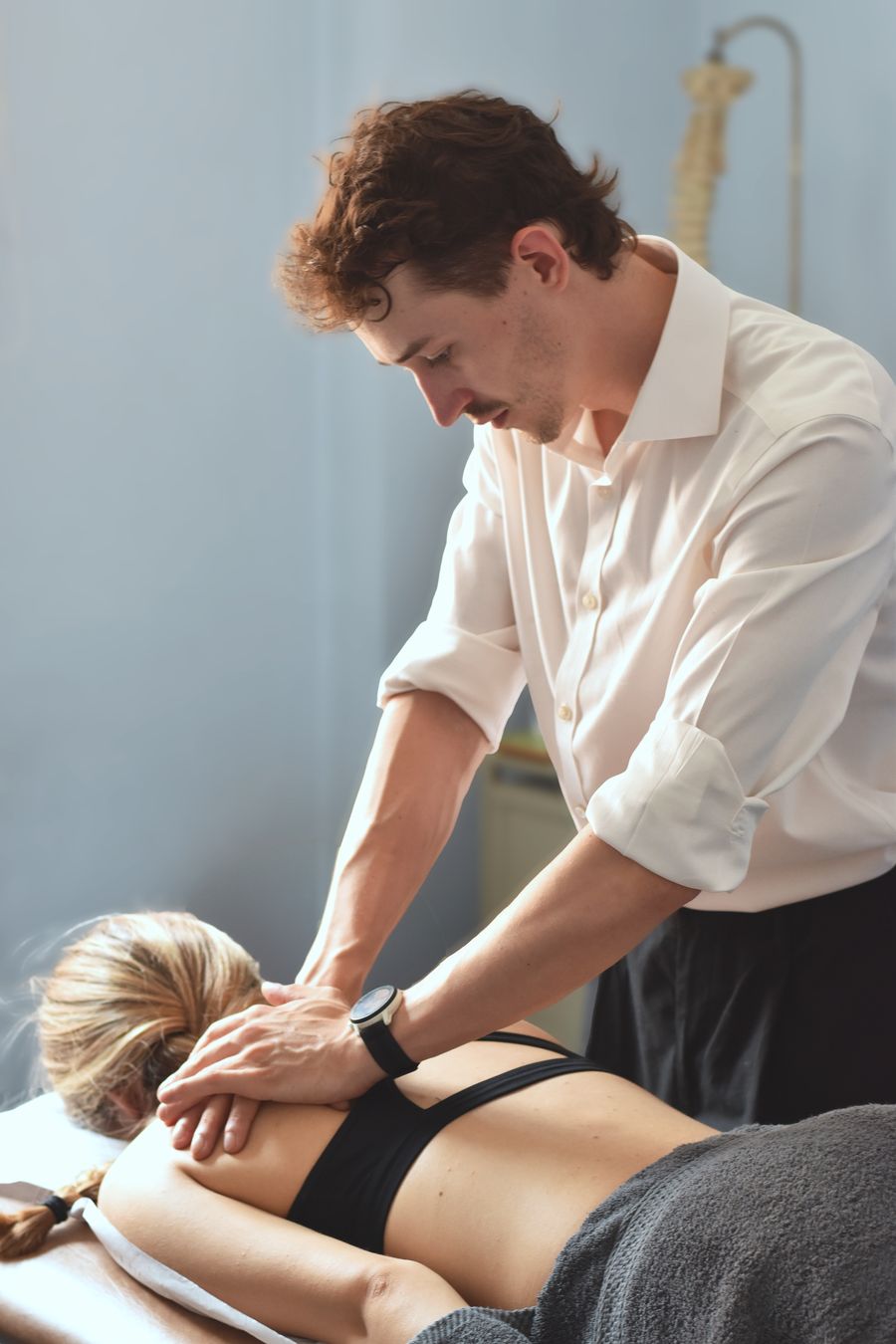
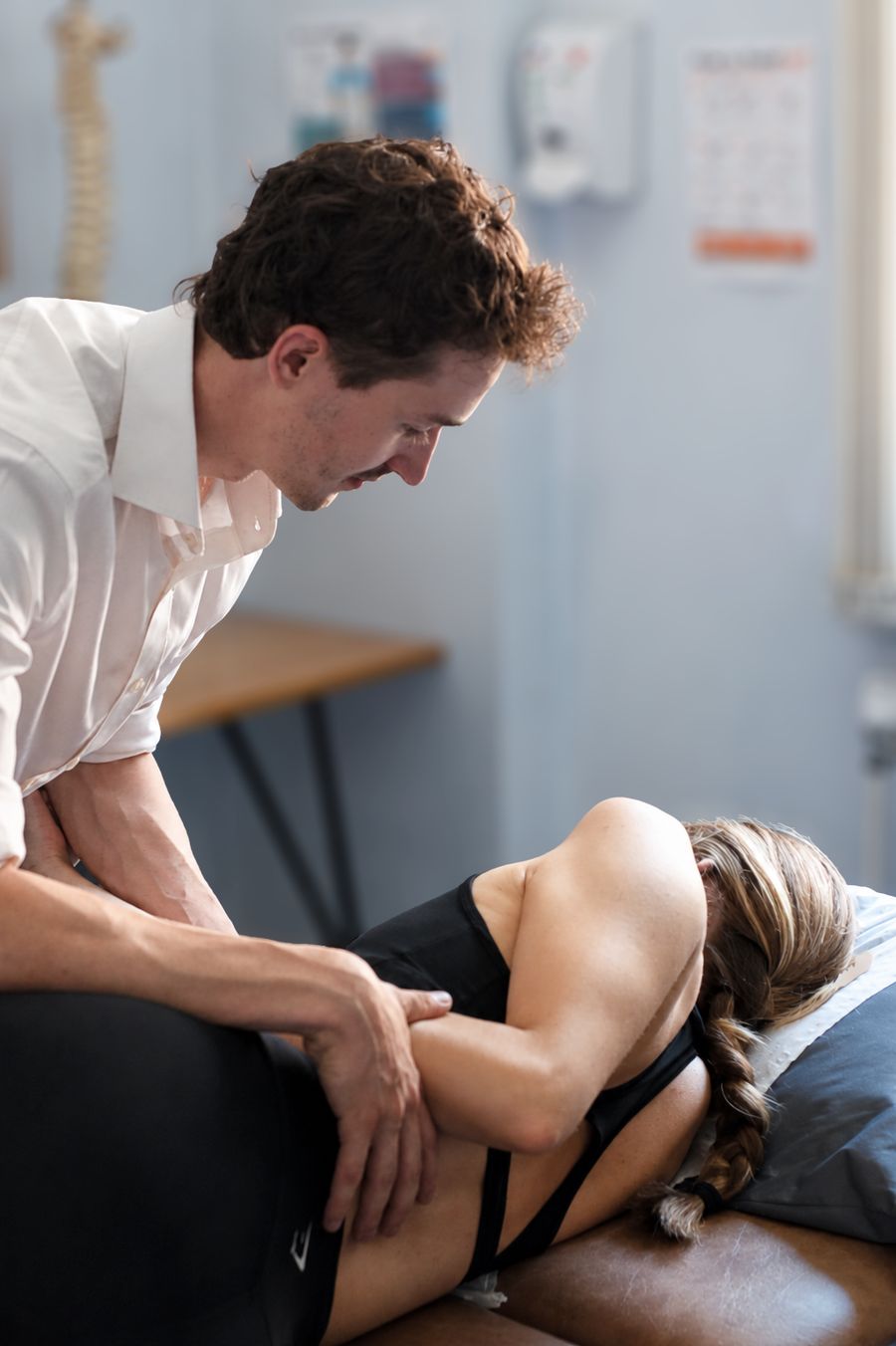
Each session begins with a detailed case history, followed by a physical assessment and hands-on treatment using techniques tailored to your presentation: joint manipulation, soft tissue therapy, myofascial release, visceral techniques, and cranial osteopathy. This holistic approach addresses current symptoms while building the longer-term resilience of your musculoskeletal system.
The evidence
What the research says about osteopathy
Osteopathy is not a complementary therapy — it is a regulated healthcare profession underpinned by a growing body of high-quality clinical evidence. Here is what the science says.
Manual therapy is recommended for back pain
The UK's leading clinical guideline body — the National Institute for Health and Care Excellence (NICE) — formally recommends manual therapy, including spinal manipulation, mobilisation and soft tissue techniques, as part of treatment for low back pain with or without sciatica. NICE guideline NG59 specifically states that clinicians should consider manual therapy as part of a package that includes exercise, with or without psychological input. Osteopathy delivers exactly this combination: hands-on treatment supported by movement advice and postural rehabilitation guidance from the very first session.
View NICE NG59 →A protected title, regulated by law
Unlike many healthcare titles in the UK, "osteopath" is a protected title under the Osteopaths Act 1993. It is illegal to use the title without being registered with the GOsC. As of 2024, there are approximately 5,100 registered osteopaths in the UK, all of whom must complete a recognised degree programme of at least four years' full-time study covering anatomy, physiology, pathology, pharmacology, biomechanics and a minimum of 1,000 hours of supervised clinical practice — before they can register to practise. Registration also requires mandatory continuing professional development and professional indemnity insurance.
GOsC official register →27 systematic reviews confirm efficacy across multiple conditions
A 2025 overview of 27 systematic reviews published in the Journal of Bodywork & Movement Therapies (Zipp et al., Medical University of Graz) found that based on moderate-quality evidence, osteopathic treatment effectively reduces pain and improves physical function in adults with acute neck pain, chronic non-specific low back pain, pregnancy-related back pain, and chronic non-oncologic pain. This overview of overviews draws on RCT data across nine therapeutic indications and represents one of the strongest available syntheses of the current evidence base for osteopathy.
View on PubMed →Clinically superior to sham — confirmed by GRADE evidence
A 2024 systematic review and meta-analysis published in Diseases (Alvarez-Bustins et al.) searched PubMed, PEDro, the Cochrane Library and Web of Science up to September 2024, applying the PEDro scale for methodological quality and GRADE for evidence certainty. By comparing osteopathic manipulative treatment directly against sham or placebo interventions — the most rigorous methodological design — the review found OMT to be clinically superior in reducing pain intensity and disability in patients with neck pain and low back pain. This sham-controlled design rules out non-specific effects and placebo response, isolating the genuine clinical contribution of osteopathic technique itself.
View on PubMed →What happens in a session
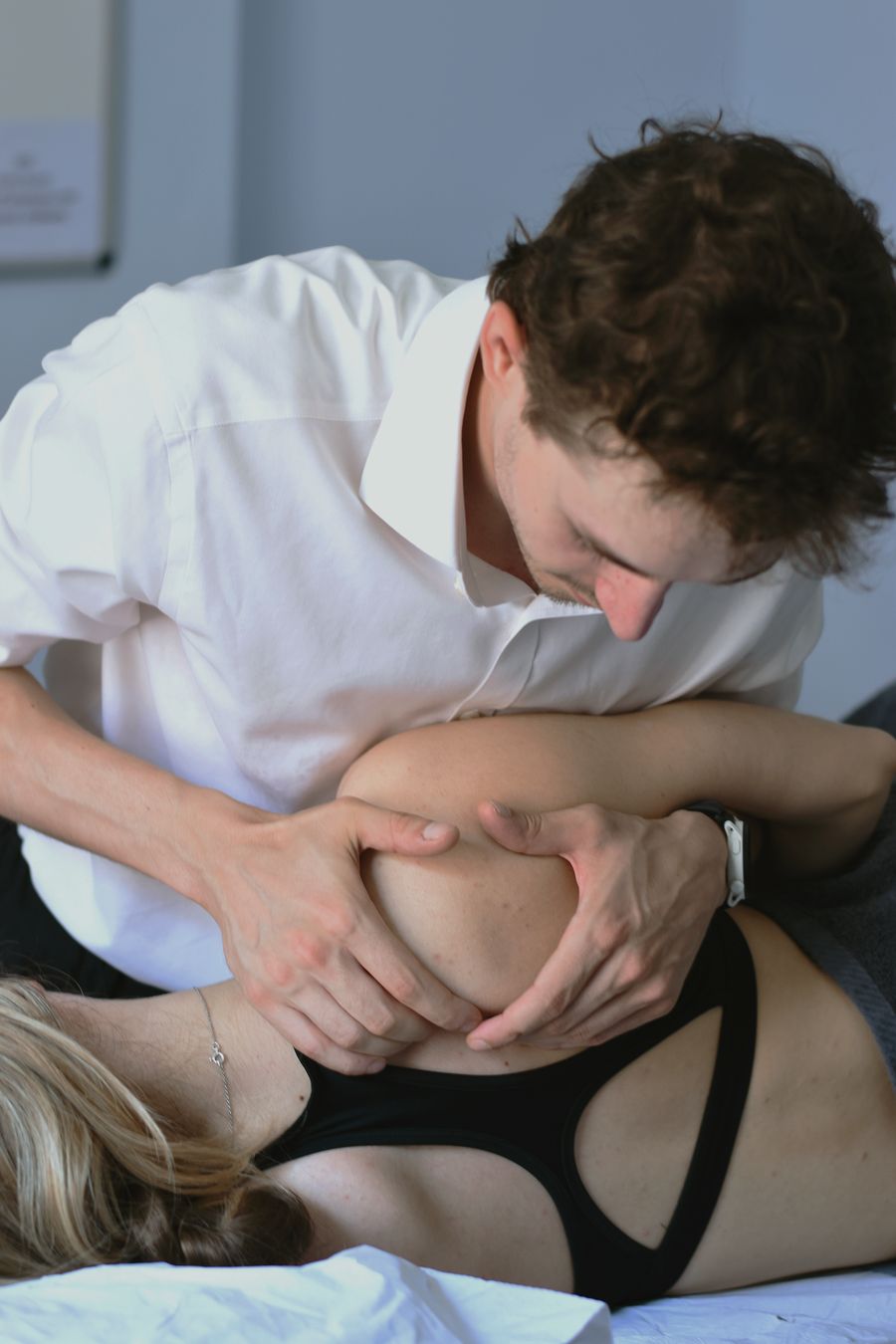
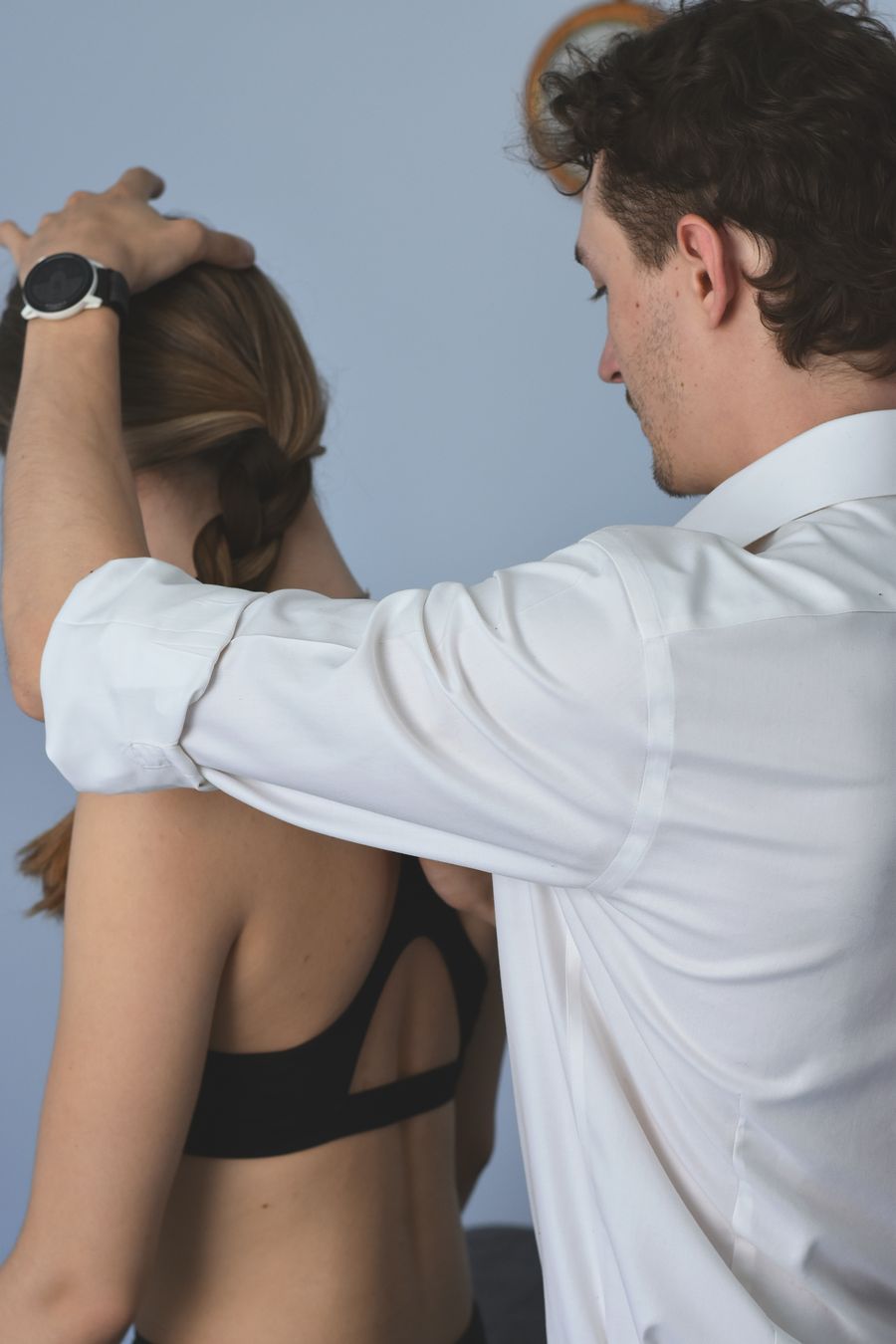
Every appointment at Verteo begins with a thorough case history — exploring your symptoms, medical background, lifestyle and goals. This is followed by a physical assessment, combining postural observation with orthopaedic and neurological tests where appropriate. Treatment begins in the same session. Depending on your presentation, techniques may include high-velocity low-amplitude thrust techniques (HVLAs), articulation, myofascial release, visceral work, cranial techniques, and dry needling. Each plan is entirely individual — no two patients receive the same treatment.
Core techniques — and much more besides
In pain? Don't wait for it to pass.
Most conditions respond best when treated early. Online booking takes under two minutes — or message directly to check availability.